Kornati National Park
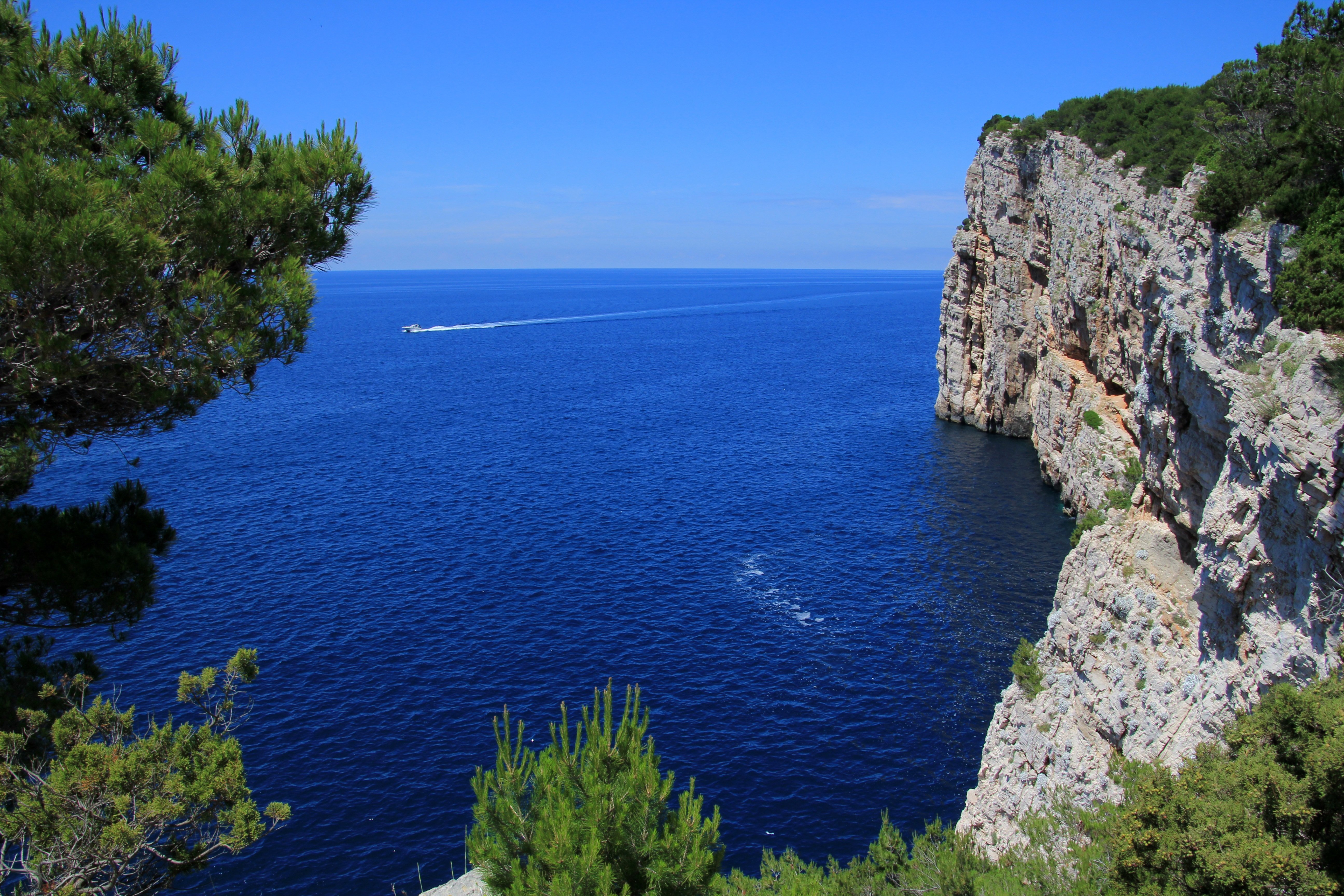
Kornati – a unique archipelago in the Adriatic Sea
The Kornati Islands form one of the Mediterranean's most striking island landscapes. A remarkably large number of islands, islets and reefs lie within a relatively small area. Because different criteria are used to decide what counts as an island, the exact number is not universally agreed. The Kornati archipelago is often said to comprise around 150 island formations spread across an area of approximately 320 km².
The largest island is Kornat, which the people of Murter traditionally call Kurnat. They refer to the archipelago as Kurnati and to themselves as Kurnatari. Kornat is about 25 kilometres long, and its highest point, Metlina, rises to 237 metres above sea level. Yet what makes the Kornati Islands special is not just their largest island, but also the many smaller islands, sheer cliffs and secluded bays that give this landscape its distinctive character.
A landscape shaped by nature and people
The Kornati Islands are known for their bare, almost lunar landscape. This appearance is the result of long-term natural processes as well as centuries of human activity. In the past, shepherds and farmers used controlled burning to maintain grazing land and create cultivable plots. Alongside wind, sun and thin soils, these practices contributed to the rocky hillsides now characteristic of the Kornati Islands and some neighbouring islands.
Dry-stone walls – traces of life among the rocks
Dry-stone walls, built without mortar, are among the most important features of the Kornati landscape. Their main purpose was to mark the boundaries between properties and grazing grounds and prevent sheep from crossing onto neighbouring land.
Because many of the Kornati Islands are long and narrow, numerous walls stretch from one side of an island to the other, drawing distinctive stone lines across the landscape. Their height, width and construction methods reflect the terrain and local conditions.
Olive groves enclosed by dry-stone walls are especially fascinating. They can be found throughout the archipelago, on steep slopes, gentle hillsides and flatter ground. These stone structures bear witness to the determination, skill and adaptability of the people who created a livelihood on this demanding land.
Kornati National Park – natural heritage of exceptional value
Kornati National Park was established in 1980 to protect the exceptional island landscape and marine environment. The protected area covers much of the Kornati island group. Žut, Sita and surrounding islands lie outside the national park boundaries, although they are geographically, geomorphologically and culturally connected to the wider archipelago.
The Kornati Islands are home to a diverse range of plants and animals. Rocky pastures, Mediterranean vegetation and habitats adapted to dry conditions alternate across the islands, while the sea is home to many species of algae, invertebrates, fish, reptiles and marine mammals. Despite extensive research, the archipelago still holds natural and cultural features that have yet to be fully explored.
Alongside its natural heritage, the archipelago preserves valuable signs of human presence: dry-stone walls, olive groves, building remains and other features of traditional island life.
Further information about natural features, visitor rules and excursion options is available on the official Kornati National Park website.
Explore the Kornati Islands from the sea and viewpoints
A boat trip is one of the most beautiful ways to discover the Kornati Islands. Sailing among them reveals steep coastlines, inlets, islets and bays, each offering another perspective on the archipelago. Organised excursions usually include a cruise through the islands and, depending on the programme and weather, may stop for a break or a swim.
For walkers and lovers of panoramic views, the national park has marked trails leading to viewpoints. These offer sweeping views of the islands and sea and show the scale and unusual arrangement of the Kornati archipelago particularly well.
Before your trip, check the available excursions, sailing conditions, admission tickets and rules for moving around the park.
Special protection zones – safeguarding a sensitive ecosystem
Parts of Kornati National Park are subject to special protection measures. These include the area around Purara Island and nearby reefs, including Mala Purara and Volić, where access and the presence of people and vessels are restricted or prohibited to protect nature.
Such areas are important for protecting sensitive habitats and for scientific monitoring of natural processes. When visiting the Kornati Islands, respect the signs, instructions from park rangers and conservation rules.
Visitors should also remember that, despite their natural heritage status, the Kornati Islands are largely privately owned. It is therefore important to respect private land, dry-stone walls, olive groves and other traces of island life.
Kornati – an experience to remember
The Kornati Islands are much more than a group of islands. They combine a unique landscape, rich underwater life and a cultural heritage that tells of centuries of living in demanding island conditions. Whether you discover them from a boat, a walking trail or through stories of dry-stone walls and traditional island life, the Kornati Islands offer a chance to experience an extraordinary part of the Adriatic.
If you are staying on Murter, set aside at least a day to explore this remarkable archipelago and discover a landscape best experienced at an unhurried pace, with respect for nature and the island's heritage.